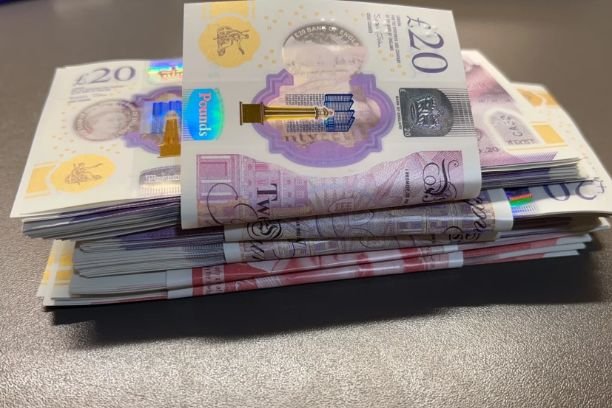
The British Pound (GBP) gained modestly against the US Dollar (USD), supported by broader dollar softness. However, the pound underperformed relative to the euro, as ongoing concerns about the UK’s labor market and inflation dynamics highlight the country’s stagflation risks, according to FX analysts at Brown Brothers Harriman (BBH).
Sterling Trails Euro Amid Labor Market Concerns
GBP/USD ticked higher due to general weakness in the USD, but the pound continues to lag behind the euro. UK labor market data for July came in line with expectations: the unemployment rate held steady at 4.7% for the third month in a row, slightly below the Bank of England’s Q3 forecast of 4.8%.
However, the underlying labor picture remains weak. The vacancies-to-unemployment ratio stands at just 0.43—still well below the Bank of England’s estimated equilibrium level of 0.53—signaling soft labor demand.
Stagnant Productivity and Sticky Wages Fuel Stagflation Risk
Wage growth in the UK remains elevated and continues to feed underlying inflation pressures, especially with labor productivity expected to flatline at 0% in 2025. Private sector regular pay—a key metric for policymakers—rose 4.7% year-over-year in July, matching the BoE’s forecast and slightly down from 4.8% in June.
Bottom Line
With stagnant productivity, weak labor demand, and persistent wage pressures, the UK economy faces increasing stagflation risk. This dynamic may continue to weigh on GBP performance, particularly against the euro.