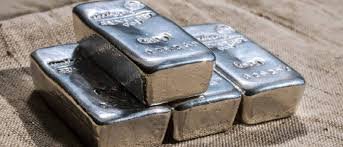
Silver prices (XAG/USD) continued their upward trajectory on Wednesday, climbing 1.25% to trade at $47.25 per troy ounce, according to data from FXStreet. The metal was priced at $46.67 on Tuesday.
Since the start of 2025, Silver has surged by 63.53%, making it one of the top-performing assets in the precious metals space this year.
Silver Price Snapshot – October 1, 2025
| Unit | Price (USD) |
|---|---|
| 1 Troy Ounce | $47.25 |
| 1 Gram | $1.52 |
Gold/Silver Ratio Declines
The Gold/Silver ratio—which reflects how many ounces of Silver are equivalent in value to one ounce of Gold—dropped to 82.27 on Wednesday from 82.69 the previous day. A declining ratio may indicate growing relative strength in Silver compared to Gold.
Silver Market FAQs
Why Do Investors Buy Silver?
Silver is a sought-after precious metal often used to diversify portfolios, hedge against inflation, or store long-term value. While it’s less dominant than Gold, Silver attracts both institutional and retail interest through physical holdings (coins/bars) and ETFs that track its market price.
What Drives Silver Prices?
Several factors influence Silver’s value:
- Macroeconomic uncertainty: Silver, like Gold, benefits from risk-off sentiment.
- Interest rates: As a non-yielding asset, Silver tends to rise when rates fall.
- US Dollar strength: A weaker USD makes Silver more affordable for non-dollar buyers, supporting price gains.
- Supply and demand: Mine output, recycling rates, and investor demand all impact price dynamics.
How Does Industrial Demand Affect Silver?
Silver’s extensive use in industries like electronics, solar energy, and medical technology adds to its investment appeal. High electrical conductivity makes it essential for green technologies. Strong industrial activity in China, the US, and India can significantly influence demand and price volatility.
Does Silver Follow Gold?
Historically, Silver tends to move in tandem with Gold, given their shared status as safe-haven assets. The Gold/Silver ratio helps assess their relative value. A high ratio might suggest Silver is undervalued, while a low ratio could imply Gold is cheaper by comparison.