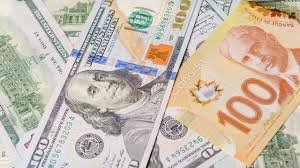
The US Dollar (USD) continues to weaken against the Canadian Dollar (CAD), with the pair trading below the 1.3780 mark as markets await crucial inflation data from Canada and retail sales figures from the US. Monday’s nearly 0.5% drop has brought bears’ attention to the weekly low at 1.3760, while upside attempts remain limited.
USD Pressured by Fed Easing Expectations
The Greenback extended losses into Tuesday as investor focus turned toward the Federal Reserve’s two-day policy meeting, which begins today. Rising concerns about a weakening US labor market have fueled expectations that the Fed may be behind the curve on rate cuts. As a result, markets anticipate a more dovish tone after Wednesday’s decision, possibly marking the start of a deeper easing cycle.
Key Data in Focus: US Retail Sales and Canada CPI
US Retail Sales, due later today, are expected to show a slight slowdown in consumer spending, largely due to lower vehicle purchases in August. While this isn’t expected to alter the Fed’s likely decision to cut rates by 25 basis points, it will shape the forward guidance. Markets are looking for signals of further monetary easing.
In Canada, the Consumer Price Index (CPI) for August is expected to remain flat on the month but accelerate to 2.0% year-over-year, up from 1.7% in July. The BoC’s core CPI—a key policy gauge—is projected to rise to 2.7% y/y, compared to 2.6% in July and 2.5% in May. These figures will be closely watched as they inform the Bank of Canada’s (BoC) rate decision on Wednesday.
BoC Expected to Cut Rates, but Focus Remains on the Fed
The BoC is widely expected to lower its policy rate by 25 basis points to 2.5%, amid mounting signs of a slowing economy and weakening labor market. However, in the short term, investor attention remains firmly on the Fed, giving the CAD a relative edge over the USD.
📘 Central Bank FAQs
What does a central bank do?
Central banks are responsible for maintaining price stability, usually targeting inflation near 2%. They adjust interest rates (policy rates) to either stimulate or cool down the economy—raising rates to control inflation or cutting them to support growth.
What happens when inflation misses the target?
If inflation is too low or too high, the central bank may cut or hike interest rates. These changes influence consumer borrowing, savings, and business investment. Rate hikes are known as monetary tightening, while rate cuts are called monetary easing.
Who sets interest rates?
A central bank’s monetary policy board, typically independent from politics, sets rates. Members may have different views—doves prefer low rates to support growth, while hawks favor higher rates to keep inflation in check.
Is there a head of the central bank?
Yes, each central bank has a chairperson or president who leads policy meetings, builds consensus, and often casts the deciding vote. This person also delivers key speeches and communicates the bank’s policy direction. Ahead of major meetings, central bank officials observe a blackout period, during which they refrain from public commentary to avoid market disruptions.