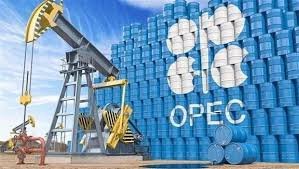
OPEC+, the alliance of the Organization of the Petroleum Exporting Countries and its partners, has agreed to increase oil production by 137,000 barrels per day (bpd) in November, according to an official statement published on the group’s website and reported by Bloomberg.
The decision comes as Saudi Arabia and Russia, the coalition’s leading producers, reached a consensus after differing views on future output levels. The small increase reflects OPEC+’s cautious approach to balancing global demand recovery with price stability amid ongoing economic and geopolitical uncertainty.
Market Reaction: WTI Crude Rises
Following the announcement, West Texas Intermediate (WTI) crude oil prices climbed, with WTI trading 1.65% higher on the day at $61.50 at the time of reporting. The market responded positively, interpreting the move as a sign of cooperation among key producers while maintaining supply discipline.
WTI Oil: Key Facts & Market Drivers
What is WTI Oil?
WTI (West Texas Intermediate) is a high-quality crude oil benchmark known for its low sulfur content (“sweet”) and low density (“light”). It is sourced in the United States, primarily distributed through the Cushing, Oklahoma hub, and is a key reference price for global oil markets.
What influences WTI prices?
- Supply & Demand: Global economic activity, manufacturing output, and travel trends directly impact oil demand.
- Geopolitical Risk: Conflicts, sanctions, or disruptions in major oil-producing regions can reduce supply and drive prices higher.
- OPEC+ Decisions: The group’s output quotas directly affect global oil supply. Increases typically put downward pressure on prices, while cuts support higher prices.
- US Dollar Strength: Since oil is priced in USD, a stronger dollar can make oil more expensive for foreign buyers, potentially reducing demand.
- Inventory Data: Weekly reports from the American Petroleum Institute (API) and the Energy Information Administration (EIA) reveal changes in US oil stockpiles, which can move prices. A drop in inventories is often bullish, while a build may signal weaker demand.