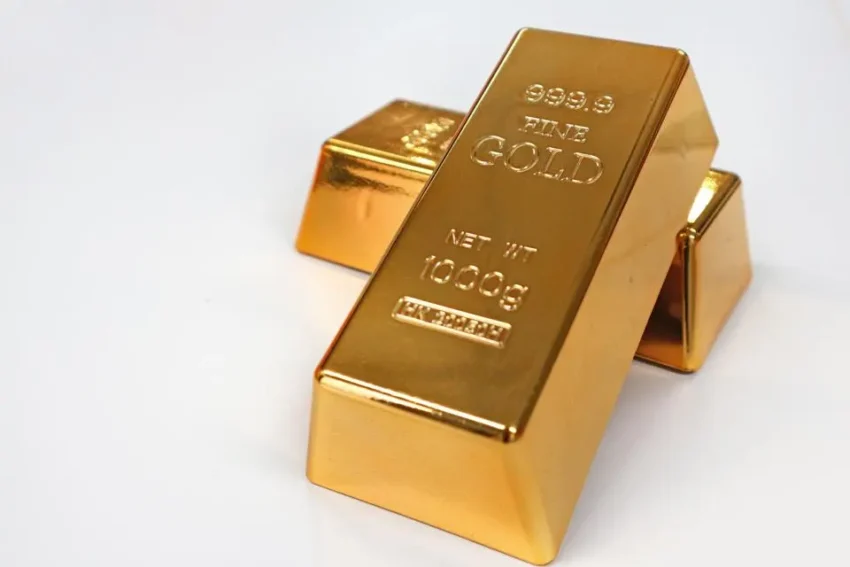
Gold (XAU/USD) extended its historic rally on Wednesday, surging past $4,200 to reach a new all-time high amid strong safe-haven demand. The precious metal gained nearly 1.4% on the day, touching an intraday high of $4,218 during the European session, supported by heightened geopolitical tensions and expectations of further monetary easing from the Federal Reserve.
The ongoing escalation in the US-China trade conflict, coupled with rising concerns over the US labor market and a prolonged government shutdown, has intensified demand for safe-haven assets like gold. The weakening US Dollar and subdued Treasury yields added to bullish momentum, keeping gold prices firmly anchored near record levels.
Trade Tensions Escalate as Trump Threatens to Sever Ties
Market sentiment took a hit after former US President Donald Trump suggested cutting select trade ties with China, accusing Beijing of economic hostility. In a post on Truth Social, Trump stated, “We are considering terminating business with China having to do with cooking oil, and other elements of trade… We can easily produce cooking oil ourselves.”
These comments mark a significant escalation in the US-China trade dispute, prompting fresh concerns over global trade disruptions. The International Monetary Fund (IMF) also flagged the renewed tensions as a downside risk to the global economy, warning that the impact of prolonged tariff uncertainty could further suppress global investment and trade activity.
Fed Outlook: Rate Cuts Expected Despite Cautious Powell Tone
At the National Association for Business Economics (NABE) conference on Tuesday, Fed Chair Jerome Powell acknowledged ongoing labor market weakness and rising downside risks to employment, but reiterated that inflation remains elevated. He cautioned against cutting rates too aggressively, warning that premature action could undermine efforts to control inflation.
Despite Powell’s balanced stance, markets remain confident that the Fed will deliver further rate cuts. The CME FedWatch tool shows traders are pricing in a 97% probability of a 25 basis point cut at the Fed’s October 29–30 meeting, followed by another 25 bps cut in December.
The US economic calendar remains light due to the government shutdown, with the September CPI report delayed until October 24. Markets are also watching for the Fed’s Beige Book release and additional remarks from Fed officials before the pre-meeting blackout begins on October 18.
Technical Outlook: Gold Rally May Pause as RSI Flashes Caution
Gold remains in a strong uptrend, though short-term technical indicators suggest a potential pause or consolidation. On the 4-hour chart, support is seen around the $4,180–$4,160 area, near the 21-period Simple Moving Average (SMA). A deeper pullback could target the $4,100 zone, backed by the 50-SMA.
However, the Relative Strength Index (RSI) is currently elevated around 75, signaling overbought conditions. A bearish divergence has also emerged, indicating the possibility of a short-term correction before the next leg higher. The Average Directional Index (ADX) around 32 continues to signal strong bullish momentum.
Gold FAQs
Why is Gold considered a safe-haven asset?
Gold has historically served as a store of value during periods of economic or political instability. It is also seen as a hedge against inflation and currency devaluation.
Who are the biggest buyers of Gold?
Central banks are the largest institutional buyers. In 2022, they purchased 1,136 tonnes of gold — the highest on record — to diversify reserves and strengthen economic stability. Countries like China, India, and Turkey have been leading buyers.
How does Gold correlate with other assets?
Gold tends to move inversely with the US Dollar and Treasury yields. When risk appetite declines or the Dollar weakens, gold often gains. Conversely, strong equity markets can weigh on gold prices.
What drives Gold prices?
Gold prices are influenced by interest rate expectations, geopolitical risks, inflation trends, and movements in the US Dollar. Lower interest rates and heightened uncertainty typically support higher gold prices.