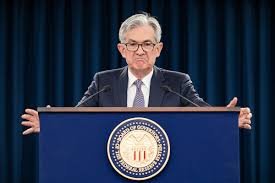
Federal Reserve official Stephen Miran emphasized the importance of a forward-looking approach to monetary policy, warning that reliance on outdated or backward-looking data could lead to policy missteps. Speaking on current inflation dynamics, Miran underscored the central role of housing costs, while maintaining that inflation expectations remain well-anchored among the public.
Key Takeaways from Miran’s Remarks:
- Policy Must Look Ahead: Miran stressed that monetary policy decisions should be based on forward-looking indicators rather than outdated data.
- Housing at the Core of Inflation: He identified housing costs as a major driver of current inflation trends and expects shelter-related inflation to ease, influenced by shifting population dynamics.
- Data Access Crucial: He expressed hope that the Fed will have access to essential economic data before the next FOMC meeting.
- Neutral Rate Adjustments: Miran believes the neutral interest rate has declined to the lower end of estimates, meaning current policy may be tighter than it appears, even if financial conditions seem loose.
- Inflation Expectations Stable: The public still expects the Fed to meet its inflation goals, suggesting inflation expectations are reasonably well anchored.
- Tariff Impacts Limited: While acknowledging recent trade-related developments, he said there’s no evidence of a broad-based rise in inflation due to tariffs. Households appear to be adjusting through demand elasticity, helping absorb cost impacts.
- Policy Could Be Updated: If shelter inflation does not ease as expected, Miran stated he would be open to revising his policy stance accordingly.
- Financial Conditions Misleading?: He cautioned that traditional financial condition metrics may not accurately reflect current monetary policy tightness due to shifts in the neutral rate.
Summary
Miran’s remarks underscore a cautious but measured approach by the Fed, focusing on forward-looking inflation signals—especially from the housing sector—while downplaying backward-looking metrics. He reiterated that while financial conditions appear accommodative, policy remains tight in real terms due to changes in the neutral rate. For now, the Fed appears to be holding its course, expecting shelter-driven disinflation and remaining flexible should that outlook change.